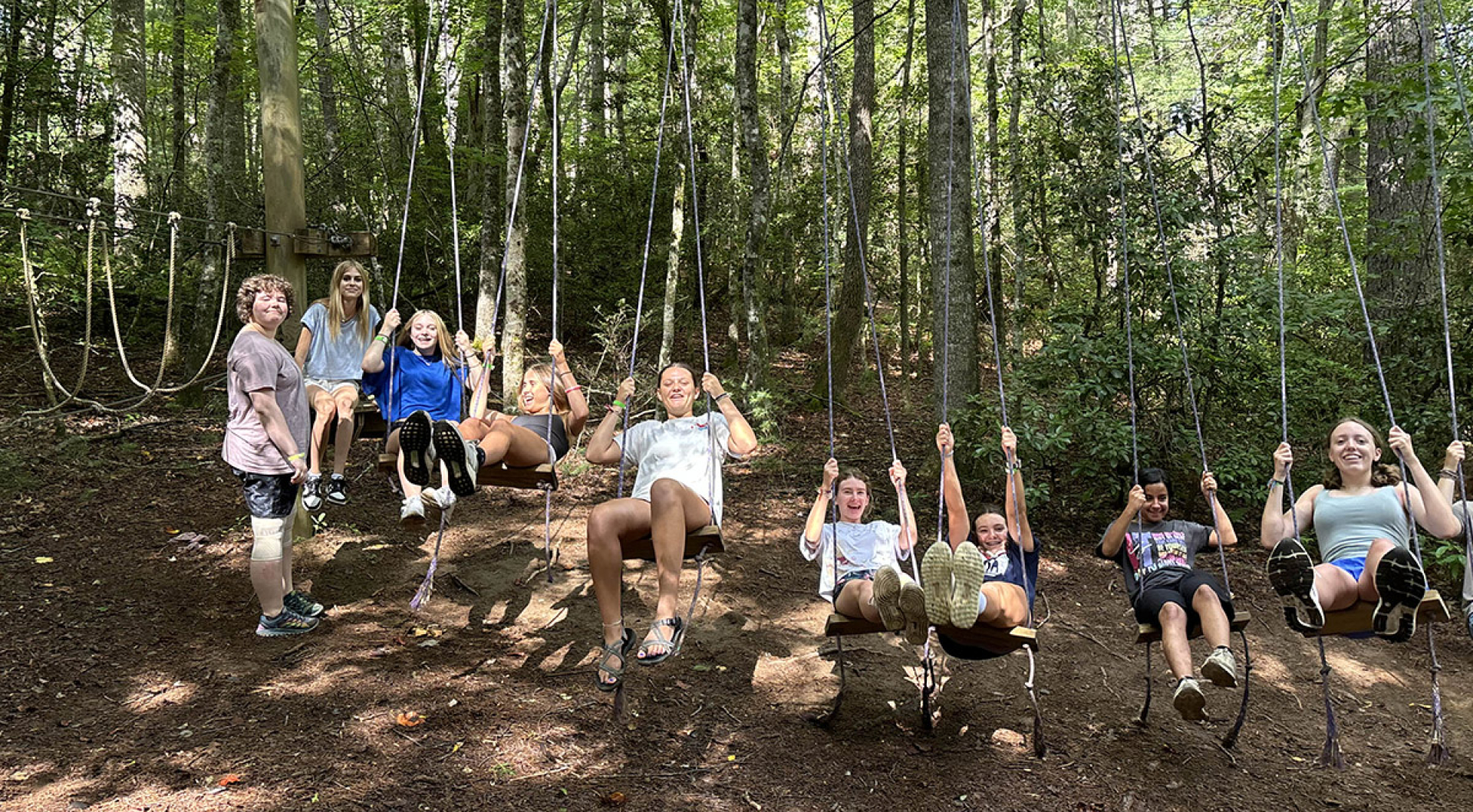
Corporate Retreats Are More Important Than Ever
The shift to remote and hybrid work has fundamentally changed how teams connect. With projections of over 32 million Americans working remotely, the informal hallway conversations and organic relationship-building that once happened naturally have all but disappeared. Corporate retreats have stepped in to fill that gap.
Research from Deloitte shows that companies with strong team bonding strategies experience a 73% decrease in employee turnover. A Gallup survey found that organizations with highly engaged employees achieve 21% higher profitability. And according to a Quantum Workplace study, 91% of employees who attended corporate retreats reported feeling more motivated, while 85% felt more satisfied at work.
When the average cost of replacing an employee ranges from 30% to 200% of their annual salary, investing in team building retreats that foster connection and loyalty delivers a concrete return on investment.
The ROI of Corporate Retreats
Before diving into specific corporate retreat trends, it's worth understanding the financial case for offsites. Harvard Business Review research indicates a 26% increase in productivity among employees who participate in offsite retreats. According to Forbes, companies with high levels of employee engagement are 23% more profitable than those with low engagement.
Here's what organizations are spending and what they're getting back:
- The average corporate retreat costs between $3,000 and $4,000 per employee, including travel and accommodations
- The average retreat length is approximately 3.78 days, with a median of 4 days
- More than 70% of mid-size to large companies now host some form of annual retreat or offsite meeting
- 83% of workers view corporate travel as a benefit to their job, directly impacting wellness and retention
- 60% of employees say in-person retreats make them feel more engaged in their roles
The most popular months for corporate retreats are September, October, and May, strategic windows that align with planning cycles and avoid major holiday disruptions. Organizations that time their retreats thoughtfully tend to maximize both attendance and impact.
17 Corporate Retreat Trends Reshaping Team Building in 2026
1. Purpose-Driven Programming Over Generic Agendas
The days of cookie-cutter retreat templates are over. High-performing teams are moving toward experiences designed to solve real business needs, whether that means reestablishing culture after a restructure, aligning new leadership, or accelerating strategic planning. Every session, activity, and conversation is tied to a specific organizational objective.
2. Shorter, More Frequent Offsites
Rather than one large annual retreat, many companies are shifting to shorter, quarterly offsites with functional or project-based teams. This approach keeps momentum fresh, supports iterative progress, and is more cost-effective and logistically manageable for hybrid and distributed teams. It also allows organizations to address issues in real time rather than waiting months for the next gathering.
3. Nature-Based and Rural Destinations
There's a growing demand for retreat locations that offer genuine disconnection from the daily grind. Teams are seeking out intimate, characterful venues — from mountain lodges to lakeside retreats — that feel distinctly different from the everyday office environment. The Blue Ridge Mountains of Western North Carolina, for example, offer the kind of immersive natural setting that sparks creative thinking and encourages deeper conversation. Facilities like Camp Tekoa Retreats in Hendersonville, NC provide groups with access to hiking trails, a 3-acre lake, and hundreds of acres of forested landscape — exactly the kind of environment that promotes both reflection and collaboration.
4. Wellness as a Core Retreat Element
Team wellbeing has moved from a nice-to-have bonus to a foundational element of retreat design. Companies are incorporating mindfulness workshops, healthy catering options, nature walks, and structured downtime into their retreat schedules. This holistic approach helps prevent burnout and allows individuals to recharge while staying connected to their teams.
5. Experiential Team Building Replaces Trust Falls
Traditional icebreakers and trust falls have given way to shared creative and physical challenges that foster natural collaboration. Activities like facilitated cooking competitions, art projects, adventure-based learning, and problem-solving quests are replacing forced fun with authentic engagement. High ropes courses, ziplines, and low elements challenge courses are especially effective because they require genuine teamwork and communication under pressure — and they create memorable shared experiences that teams reference long after the retreat ends.
6. Blending Strategy With Play
Retreats in 2026 are expected to deliver both meaningful connection and tangible business outcomes. Companies are weaving strategic sessions — such as product planning, OKR alignment, or quarterly goal-setting — into the same day as outdoor adventures or team challenges. This blend of productivity and play accelerates trust and makes the work more energizing.
7. Professional Facilitation
Skilled facilitation is now seen as essential to a successful retreat. Whether it's guiding difficult conversations, supporting decision-making, or running creative workshops, professional facilitators unlock the full value of time spent together. Organizations are moving beyond simply booking a venue and are investing in experienced leaders who can shape the retreat experience.
8. Intentional Slowness and Unstructured Time
Rather than jam-packed itineraries, retreats are embracing intentional slowness — with built-in free time, wellbeing activities, and opportunities for spontaneous interaction. This unstructured time allows employees to connect organically, explore their surroundings, and process what they've learned during more structured sessions.
9. Sustainability and Eco-Conscious Planning
Environmental responsibility is increasingly influencing retreat decisions. Companies are looking for venues that prioritize green practices, use local products, and minimize ecological impact. This aligns with broader corporate ESG goals and appeals to employees — especially younger generations — who want their employers' actions to reflect stated values.
10. Hybrid-Friendly Retreat Design
With team members distributed across the country or globe, retreat venues and planners need to accommodate both in-person and virtual participation. While the greatest value comes from face-to-face interaction, thoughtful hybrid design ensures that remote team members who can't travel still feel included and benefit from the experience.
11. Values-Aligned Destination Selection
Organizations are selecting retreat locations that mirror their corporate identity. A company that values innovation might choose an urban creative hub, while one that prioritizes balance and wellbeing might opt for a mountain setting surrounded by nature. By tying the destination to the company's culture, retreats reinforce organizational values in a tangible, experiential way.
12. Measurable Outcomes and Post-Retreat Follow-Through
The best retreats don't end when the event does. Companies are designing experiences with clear takeaways that can be applied long after the retreat. Follow-up initiatives such as regular check-ins, feedback loops, and support for implementing new ideas help keep the momentum going and ensure that the investment continues to pay dividends.
13. Adventure-Based Learning
Outdoor adventure activities are becoming central to team building retreats because they push teams out of their comfort zones in ways that translate directly to workplace challenges. Activities that require collective problem-solving — like navigating a low elements challenge course or tackling a high ropes experience — build trust and communication skills that teams carry back to the office.
14. Multi-Generational Programming
With four or five generations now represented in many workplaces, retreat programming needs to appeal across age groups. Gen Z values travel and experiences as part of their employment value proposition, while Boomers may prioritize strategic depth and meaningful conversation. The most effective retreats offer a range of activities and engagement styles that respect these differences.
15. Retreats as Recruitment and Retention Tools
The data is clear: 60% of employees say they would be more likely to join a company that offers in-person retreats or offsites. Half of respondents in one survey said they'd consider leaving a company with no opportunities to see coworkers in person. Corporate retreats are now a competitive advantage in talent acquisition, not just a perk.
16. Regional Micro-Events
In addition to larger company-wide retreats, organizations are hosting smaller regional gatherings that bring together employees from the same geographic area. These micro-events are more affordable, easier to coordinate, and provide consistent touchpoints throughout the year.
17. Data-Driven Personalization
Companies are using pre-retreat surveys and employee data to personalize the experience. Rather than a one-size-fits-all agenda, retreat planners tailor activities, breakout sessions, and even dining options to the preferences and needs of attendees. This approach drives higher satisfaction and ensures the retreat resonates with every participant.
Read our blog on retreat budget hacks to plan an unforgettable event.
Making the Case for Your 2026 Corporate Retreat
If you're building a business case for a team building retreat, the data is on your side. Here's a summary of the key ROI indicators:
- Organizations with highly engaged employees see 21% higher profitability
- Companies with strong team bonding strategies experience up to 73% lower turnover
- Employee productivity increases by an average of 26% after participating in offsite retreats
- 91% of retreat attendees report feeling more motivated
- 34% of employees say their most creative ideas happen during business travel
The key is choosing a venue and format that align with your organizational goals. Natural settings that remove teams from their usual routines, combined with purpose-driven programming and genuine adventure, consistently produce the strongest results.
Frequently Asked Questions About Corporate Retreats in 2026
How far in advance should we plan a corporate retreat?
Most organizations begin planning three to six months in advance, especially if they're targeting popular retreat months like September, October, or May. Booking your venue early gives you more flexibility in programming and accommodations, particularly at in-demand locations.
Read our blog about advanced retreat planning.
What's the ideal length for a corporate retreat?
Industry data suggests that the sweet spot is three to four days. This gives teams enough time to move beyond surface-level interaction and engage in meaningful strategic work, team building, and relationship development without causing excessive disruption to regular operations.
How do we measure the ROI of a corporate retreat?
Track outcomes like employee sentiment, productivity, and retention before and after the retreat. Use pre- and post-retreat surveys to measure shifts in job satisfaction, team cohesion, and engagement. Compare turnover rates and performance metrics in the months following the retreat against your baseline.
Are corporate retreat expenses tax-deductible?
Retreat expenses are often tax-deductible as legitimate business travel, especially when they include professional development, strategic planning sessions, or training components. Always consult with a tax professional for guidance specific to your organization.
What should we look for in a corporate retreat venue?
Look for a venue that offers a change of scenery from the everyday office, flexible meeting and gathering spaces, on-site activities that encourage teamwork, and accommodations that keep your group together. Natural settings with outdoor adventure options, like those in the mountains of Western North Carolina, tend to produce the most engaged and energized teams.
How do we accommodate teams with different comfort levels for physical activities?
The best retreat venues offer a range of activities at various intensity levels. Low elements challenge courses and nature hikes provide accessible team building, while high ropes courses and ziplines offer more adventurous options for those who want them. Giving participants choices ensures everyone feels included without being pressured.
Conclusion
Corporate retreat trends in 2026 point clearly in one direction: intentionality. The most successful team building retreats are purposeful, people-centered, and designed to produce lasting results. They blend strategic business outcomes with genuine human connection, set against environments that inspire fresh thinking.
Whether your team is 20 people or 300, the right retreat experience can transform how your people work together, communicate, and perform. The organizations that invest thoughtfully in these experiences are the ones building the strongest cultures and the most resilient teams.
Ready to start planning your 2026 corporate retreat? Contact Camp Tekoa Retreats to learn how our mountain setting, adventure programming, and flexible facilities can help your team reconnect and recharge.